

Baba says, “The Father’s direction is to give everyone the message. Tell them: Consider yourselves to be souls and remember the Father. Do not cause sorrow for anyone.”
In today’s digital age, innate creativity has found a new and powerful frontier: online content creation. A generation of creators now directly shapes the consciousness of millions, particularly the youth whose lives are deeply intertwined with the digital world. While having thousands of ‘followers’ is a testament to one’s influence, it comes with a profound responsibility. The same platform that can uplift and heal can also wound and mislead.
Every creation, no matter its form, originates from a single, invisible seed: a thought. This primary creation, born in the subtle world of the mind, determines the quality of everything that follows. A thought gives rise to a feeling, which shapes our attitude and vision. These, in turn, manifest as our words, actions, relationships, and ultimately, the reality we build around us.
The quality of this foundational seed is paramount. If our thoughts are elevated, pure, and benevolent, our creations will naturally serve to benefit ourselves and the world. Conversely, a seed of thought that is toxic—tainted by vice and negativity—will inevitably produce content that can poison minds and actions that lead to conflict.
Baba says, “The Father shows you the path of love. He gives you shrimat: Children, interact with everyone with love. Do not cause sorrow for anyone.“
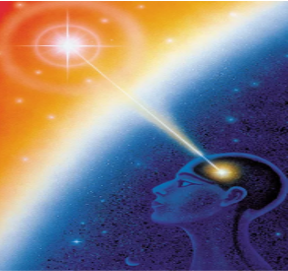
This is why the greatest service we can offer the world is to first tend to the garden of our own minds. This echoes the most profound spiritual instruction of the Gita: Manmanabhav—”Focus your mind on Me.” In a world often gripped by the vices of lust, anger, attachment, greed, and ego, God, the Supreme Soul, is the only constant who is Ever Pure, the Ocean of all Virtues.
The good news is that we share an intimate relationship with God. He is our eternal Father, Mother, Teacher, and Friend—our most constant Companion. When we make this relationship the center of our world, the Supreme becomes our ultimate reference point. Our thoughts begin to align with His divine nature, and our actions naturally become as elevated and benevolent as His.
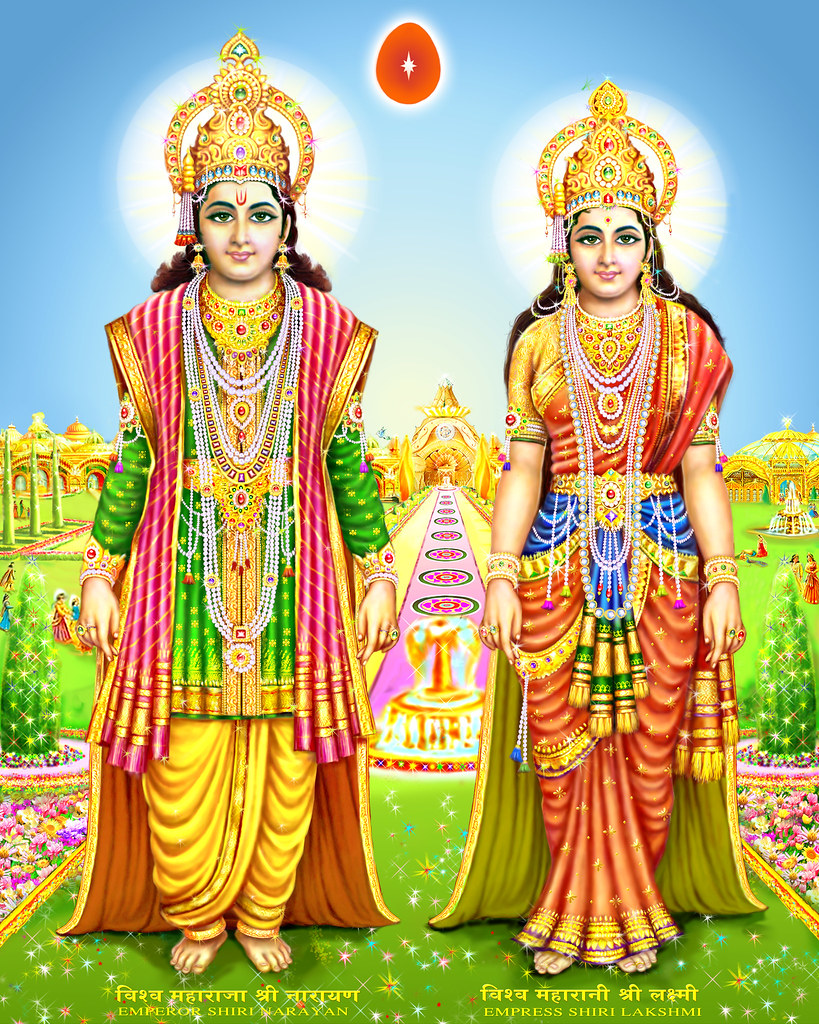
In fact, this is the true meaning behind God’s title as the Creator. He doesn’t create the physical world or souls from scratch; rather, He re-creates consciousness. He inspires the transformation of impure, degraded human souls into pure, elevated deities. Through this transformation of consciousness, the world itself is transformed—from a state of hell into heaven. He reminds us, “I do not do this alone. You, children, are my helpers, the master creators who make this new world a reality.“
As we embrace our role as the Father’s helpers, especially in the digital sphere, we can use a simple checklist before we hit “send,” “post,” or “publish.” This is a moment of sacred pause to ensure our creation is an offering of purity and truth. Let us ask ourselves:
- What is the Sankalp (Pure Intention) behind this creation? Is the thought seed pure, benevolent, and truly for the benefit of others? Or is it tainted by a subtle desire for attention, validation, or ego?
- Does this creation offer selfless service (Seva)? Is it sharing wisdom that empowers, fostering peace, or spreading vibrations of love? Or could it unintentionally contribute to negativity, division, or confusion?
- Does it reflect my true, divine self (Swadharma)? Is this content an honest expression of the elevated self I am becoming through my connection with the Supreme?
This simple act of introspection is a form of meditation in action. It transforms content creation from a mere activity into a profound spiritual practice, allowing us to be true helpers in the most significant creative task in history—the re-creation of a golden-aged world.
This, then, is the art of mindful content creation: a life lived in constant, loving remembrance of the Supreme. It is the practice of transforming our inner world so that we may, in turn, transform the world outside. The call is clear and timeless: Manmanabhav.
 SHIVA DARSHAN